
Touring Scotland: A Complete Guide to Scotland
This Scotland Guide is designed to help you experience the country in the most meaningful way possible. Scotland is not simply a…
This Scotland Guide is designed to help you experience the country in the most meaningful way possible.
Scotland is not simply a destination you visit quickly and move on from. Instead, it is a place that unfolds slowly. The landscapes shift constantly, the weather changes the mood of each location, and every road seems to lead somewhere unexpected. A well planned Scotland guide does not just focus on where to go, it focuses on how to experience the journey.
Whether you are planning your first visit or returning to explore further, this Scotland guide will help you understand how to tour the country with confidence, flexibility, and purpose.
1. Scotland Guide to Understanding the Geography
Any effective Scotland guide begins with understanding the layout of the country.
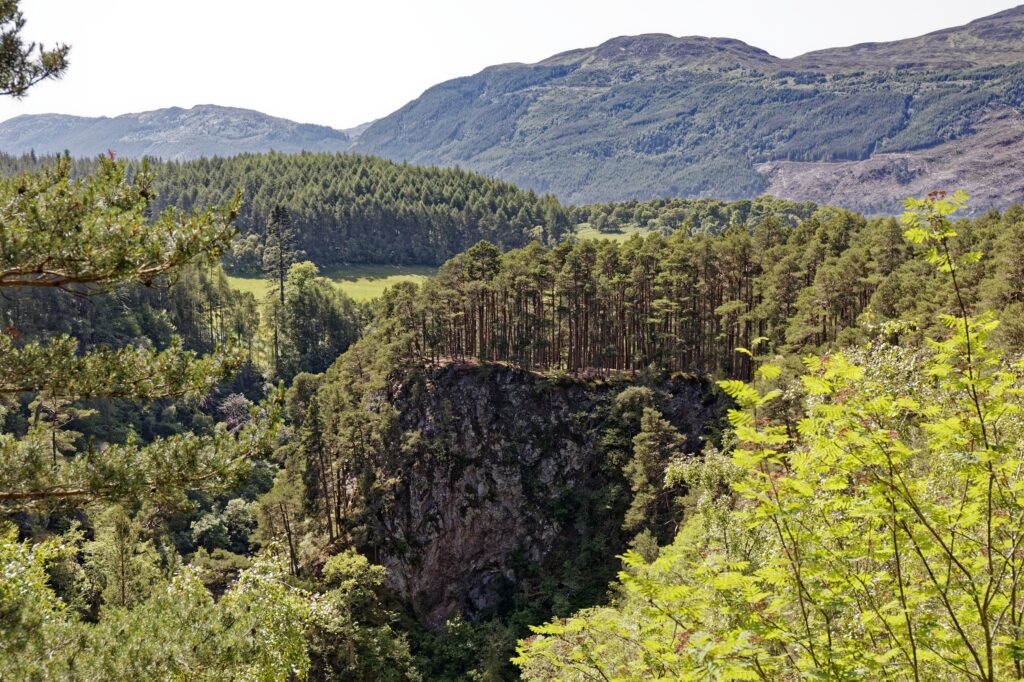
Scotland is divided into several distinct regions, each offering a different experience. The Central Belt includes major cities, while the Highlands provide dramatic mountain scenery. The Lowlands offer a quieter, more rural landscape, and the islands introduce an entirely different pace of life.
Because of this variation, distances can be misleading. A journey that looks short on a map may take longer due to winding roads and changing terrain.
Understanding this early helps you build a realistic and enjoyable itinerary.
2. Scotland Guide to Choosing the Right Trip Length
A key part of any Scotland guide is deciding how long to travel.
Short trips of five days can introduce you to highlights such as Edinburgh and parts of the Highlands. However, they often feel rushed.
A seven to ten day Scotland guide allows for a more balanced experience. You can explore multiple regions, enjoy scenic drives, and still allow time to stop.
Two weeks or more creates a completely different pace. You gain the freedom to explore islands, hidden areas, and lesser known routes without pressure.
The most important advice in any Scotland guide is simple, do not try to see everything. Focus on fewer places and experience them properly.
3. Scotland Guide to Planning Your Route
Route planning is one of the most important parts of a successful Scotland guide.
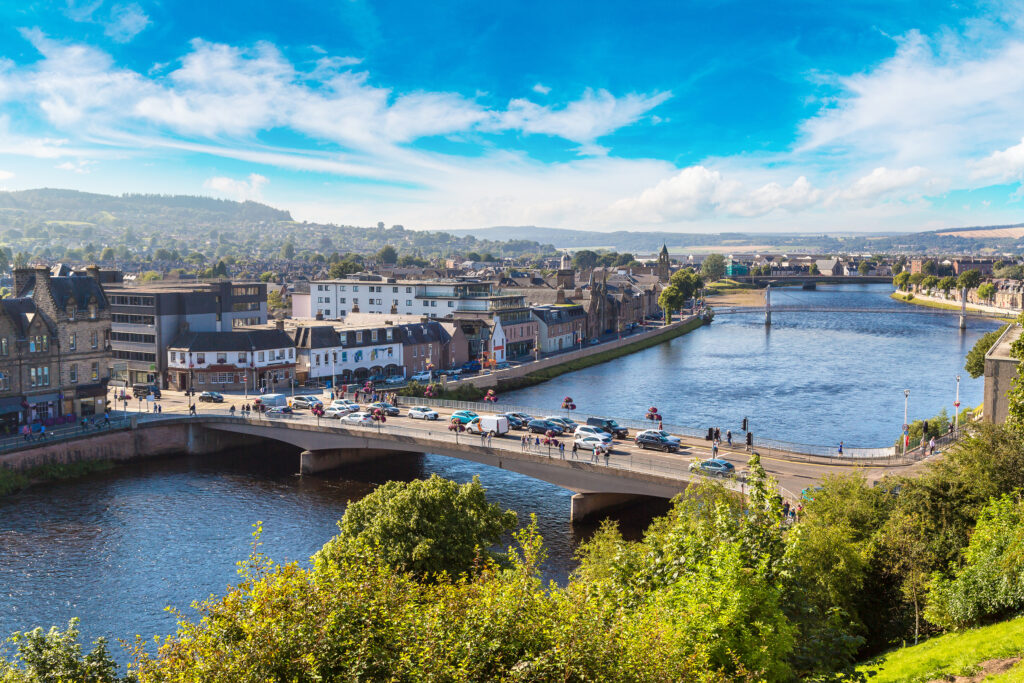
Most travellers begin in Edinburgh. From there, routes often head north into the Highlands. Popular journeys include Glencoe, Fort William, and the Isle of Skye.
Circular routes work best. They allow you to see more without repeating the same roads.
At the same time, flexibility matters. Some of the best moments come from unplanned stops, scenic viewpoints, or small villages that were not originally included.
Have a look here for further details about crafting the perfect route: Crafting the Perfect Trip to Scotland
4. Driving in Scotland
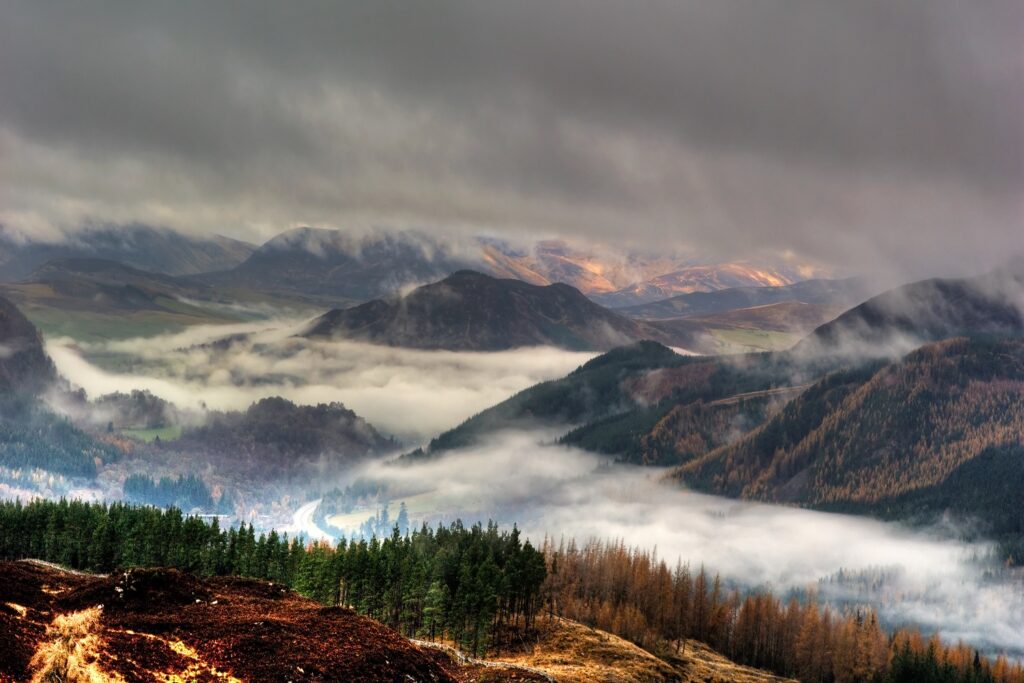
Driving is central to most Scotland guide itineraries, and it remains one of the most popular ways to explore the country. Among the many ways to travel around Scotland, driving offers a level of freedom that is difficult to match.
It allows you to reach remote areas that are often inaccessible by public transport. You can stop at viewpoints, explore hidden glens, and take detours whenever something catches your attention. This flexibility turns the journey itself into part of the experience.
However, driving in Scotland does require some adjustment. Many rural roads are narrow, particularly in the Highlands and on the islands. Single-track roads are common, and these require patience, awareness, and the use of passing places. In addition, driving on the left-hand side of the road may feel unfamiliar at first, especially for international visitors.
Despite these challenges, most travellers quickly adapt. In fact, many find that driving becomes one of the most enjoyable parts of their trip. The constantly changing scenery keeps every journey interesting, whether you are travelling along coastal routes, through mountain passes, or beside quiet lochs.
Scenic drives such as the North Coast 500 highlight just how rewarding driving can be. Routes like this transform travel into an experience in its own right, rather than simply a way to move between destinations.
Ultimately, driving offers independence, flexibility, and access to some of Scotland’s most breathtaking locations. For many visitors, it becomes not just a method of transport, but a defining part of their overall journey.
5. Scotland Guide to Alternative Travel Options
Not every Scotland guide requires driving, and in many cases, choosing a different way to travel can completely change how you experience the country.
Guided tours offer a structured and insightful approach. With an experienced guide, you gain context that goes beyond what you might discover alone. Stories, history, and local knowledge bring each location to life, while removing the stress of navigation and planning.
Public transport provides another reliable option. Trains connect major cities such as Edinburgh, Glasgow, and Inverness, often passing through scenic landscapes along the way. Buses extend further into rural areas, reaching towns and villages that trains do not. However, timetables can limit flexibility, so planning ahead becomes important.
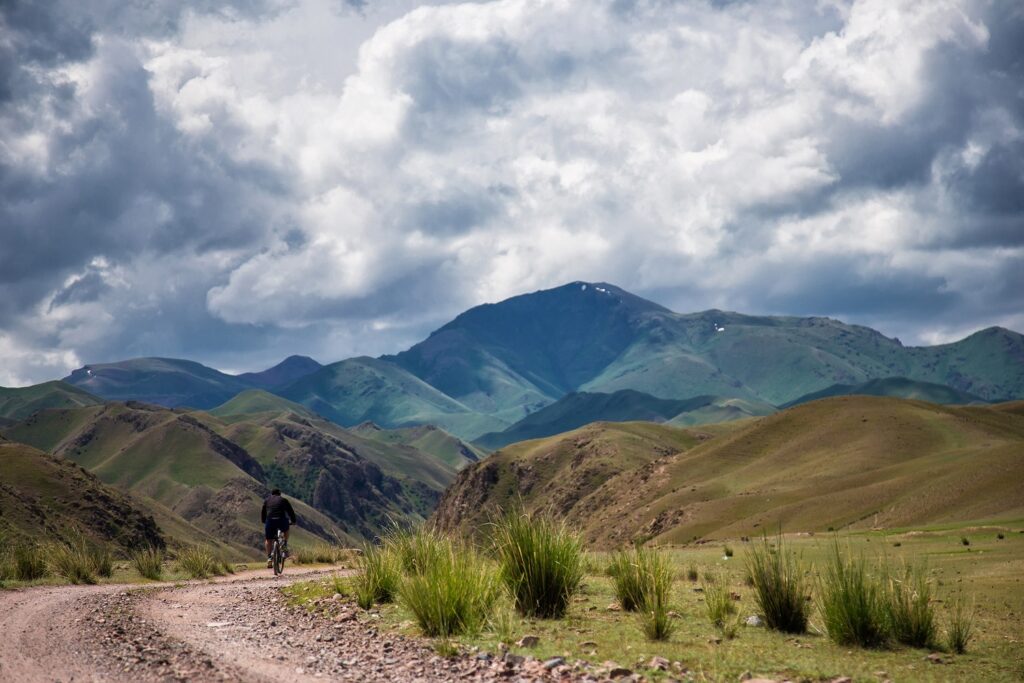
For those seeking a slower and more immersive experience, cycling has become an increasingly popular way to explore Scotland. Travelling by bike allows you to connect more closely with the landscape, noticing details that are often missed when driving. Quiet backroads, coastal routes, and dedicated cycling paths create opportunities for both short rides and longer journeys.
One of the most rewarding cycling experiences can be found in the Hebrides. Cycling through the Outer Hebrides offers a unique sense of freedom and space. Long stretches of open road wind past white sand beaches, turquoise waters, and traditional crofting communities. The terrain can be challenging at times, particularly with changing weather and coastal winds, yet the rewards are significant. The pace of cycling allows you to fully absorb the landscape, stopping whenever something captures your attention.
Combining transport methods often works best. For example, travellers may explore cities by train, cycle through quieter island routes, and then join a guided tour for more remote Highland regions. This flexible approach allows you to experience Scotland in different ways, each adding depth to your journey.
Click here to learn more about one of the best cycle routes in Scotland: Cycling the Hebridean Way | Self-Guided Cycle Tour
And click here to learn about all the different ways to travel in Scotland.
6. Scotland Guide to Must See Regions
A well rounded Scotland guide includes a mix of regions.
The Highlands offer iconic scenery. The Isle of Skye provides dramatic landscapes. Cairngorms National Park introduces forests and wildlife. The east coast features historic towns, while the west coast offers sea lochs and coastal beauty.
Each area adds something unique. Together, they create a complete experience.
7. Scotland Guide to Famous Sites and Hidden Gems
Every Scotland guide should balance well known landmarks with quieter locations.
Famous sites such as Edinburgh Castle and Loch Ness provide historical and cultural context.
However, lesser known places often create stronger memories. A quiet glen or a hidden beach can feel more personal and immersive.
8. Accommodation Tips in This Scotland Guide
Accommodation shapes your experience more than many travellers expect, often influencing not just where you sleep, but how you connect with the landscape and local culture.
Small guesthouses and locally run bed and breakfasts frequently provide the most memorable stays. Hosts often share valuable local knowledge, from hidden viewpoints to lesser known places worth visiting. These personal touches can transform a simple overnight stop into a meaningful part of your journey.
Location plays an equally important role. Staying within the landscape, rather than in larger towns or cities, allows for a quieter and more immersive experience. Early mornings feel calmer, and evenings offer a chance to slow down, whether that means watching the light fade over a loch or enjoying the stillness of a remote glen.
There is also a wide range of accommodation styles to consider. Boutique hotels provide comfort and design, while self catering cottages offer flexibility and privacy, especially for longer stays. In more remote areas, unique options such as converted croft houses or coastal lodges can add a sense of place to your trip.
Booking ahead is essential during peak seasons, particularly in popular regions such as the Isle of Skye. Availability can become limited quickly, and planning in advance ensures you secure the type of stay that best suits your route.
Ultimately, choosing the right accommodation is not just about convenience. It is about enhancing your overall experience and allowing you to feel more connected to Scotland as you travel through it.
9. Mystical Scotland, Legends, Castles and Living Stories
A complete Scotland guide should connect travellers to the deeper stories of the country, something explored in our Mystical Scotland blog.
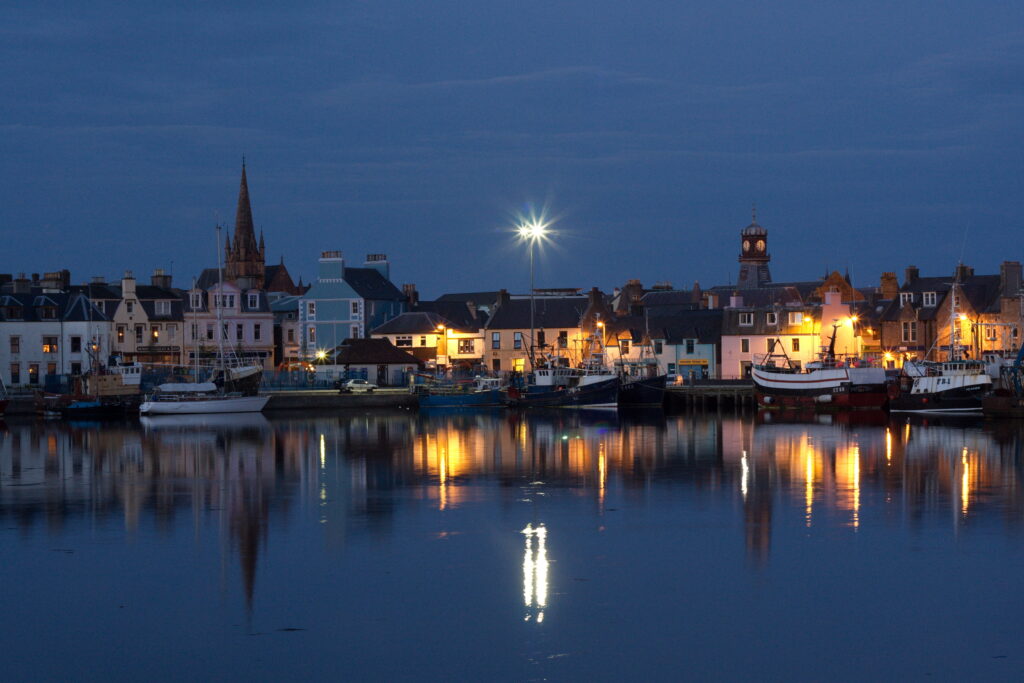
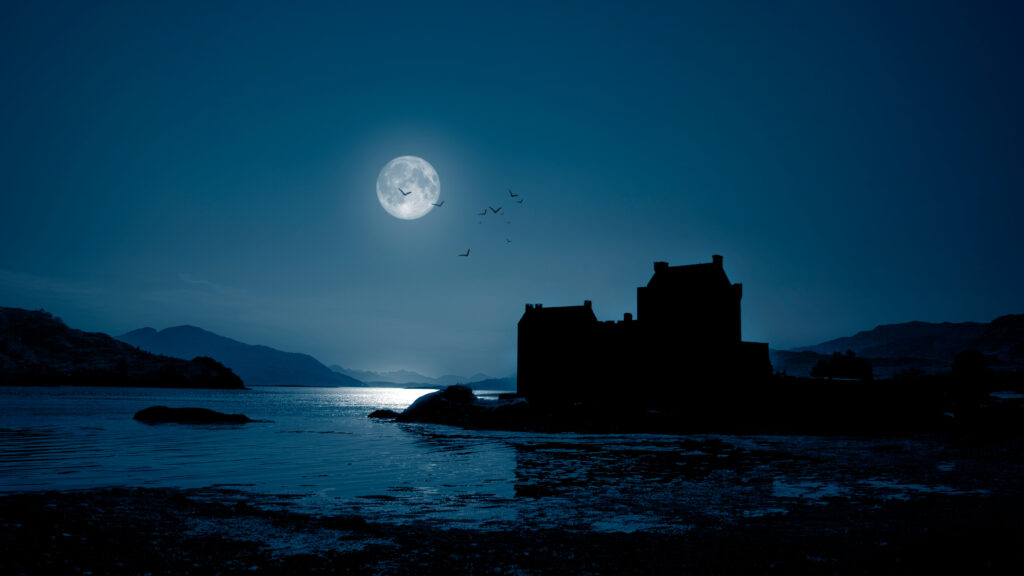
Across Scotland, the landscape is layered with myth and memory. Castles such as Edinburgh Castle and Eilean Donan Castle stand as more than historic landmarks. They represent centuries of power, conflict, and resilience, while also carrying tales of hauntings and hidden pasts that continue to shape their atmosphere.
Legend and history often blur together. The dark waters of Loch Ness are known as much for the story of Nessie as for their natural beauty, while figures like William Wallace remain powerful symbols of Scotland’s identity through stories passed down over generations.
Folklore adds another layer to this experience. Tales of kelpies, selkies, and spirits reflect a deep connection between people and the natural world. These stories transform lochs, coastlines, and glens into places that feel both real and imagined at the same time.
These traditions are not confined to the past. Festivals such as Up Helly Aa and Hogmanay continue to bring these stories to life through fire, music, and shared celebration.
Exploring this side of Scotland adds depth to any journey. It allows travellers to experience not just the landscape, but the legends that give it meaning, creating a stronger and more lasting connection to the country.
Learn more about Mystical Scotland here: Mystical Scotland — Castles, Legends & Ancient Stories
10. Practical Scotland Guide Tips
Preparation improves any Scotland guide.
Pack layers for changing weather. Waterproof clothing is essential. Allow extra time for travel and remain flexible.
Weather conditions can change quickly, so checking forecasts regularly helps.
Most importantly, slow down. Scotland is best experienced at a relaxed pace.
11. Golf in Scotland
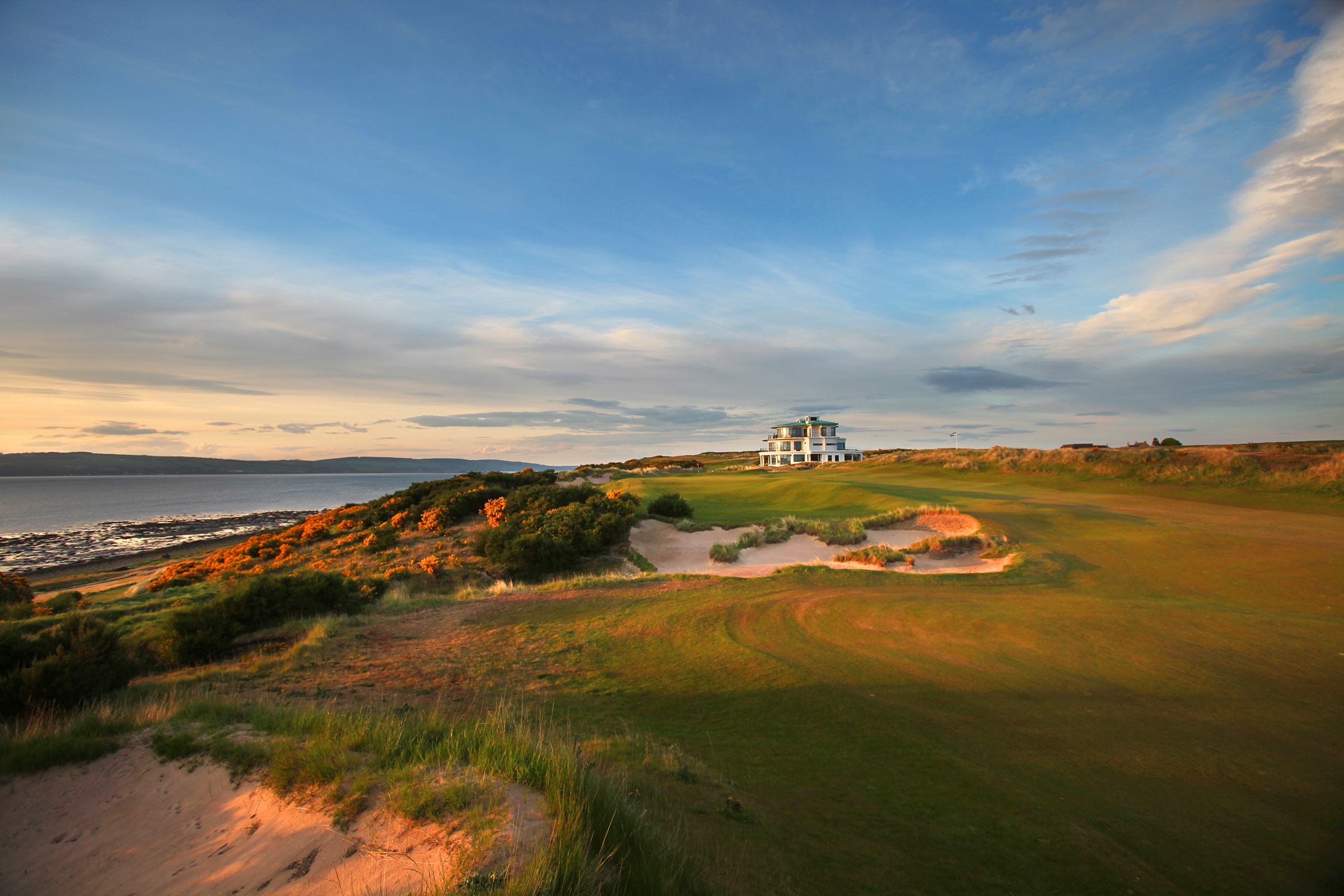
Golf in Scotland is not simply a sport, it is part of the landscape itself. Across the country, courses emerge naturally from their surroundings, shaped by wind, terrain, and time rather than design alone.
Along the coast, fairways run beside shifting dunes and open sea, while inland, courses weave through rolling hills and quiet glens. As a result, no two rounds ever feel the same. The weather changes quickly, the light shifts constantly, and the land responds in kind.
Playing here becomes less about precision and more about adaptation, awareness, and connection. In this way, golf in Scotland offers something deeper than the game, an experience that feels both timeless and inseparable from the environment.
12. Whisky in Scotland
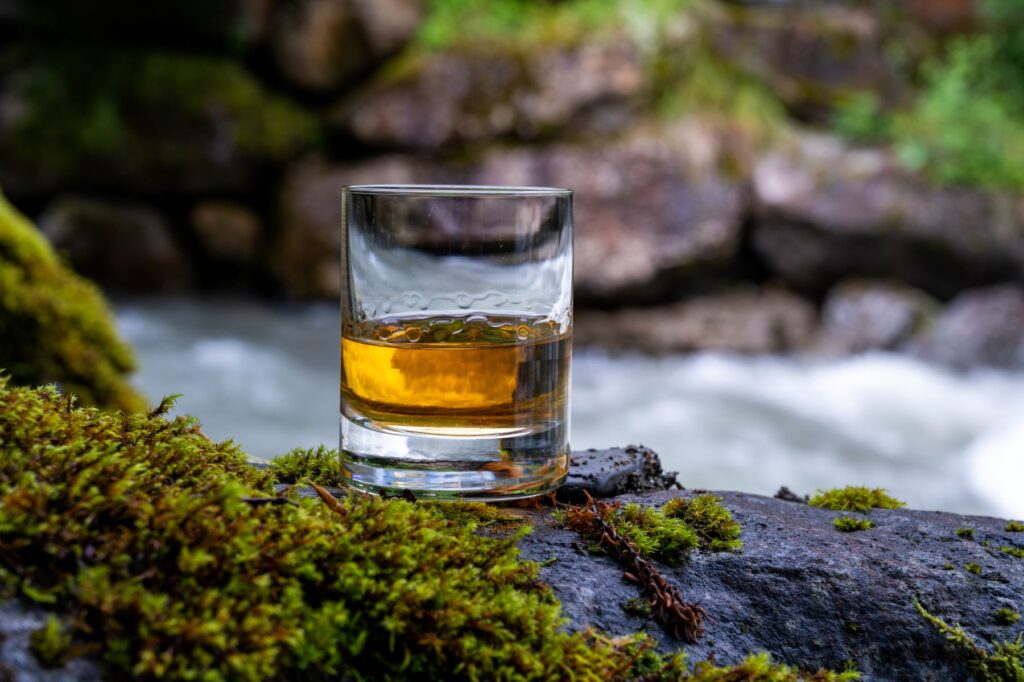
Whisky in Scotland is shaped by the same forces that define its landscapes, water, weather, and time. Distilleries are often found in remote and atmospheric settings, from coastal edges to sheltered valleys, where the surrounding environment influences every stage of production.
As you travel through the country, each region reveals a different character, from lighter, more delicate expressions to richer, smoky styles shaped by peat and sea air.
However, the experience extends beyond flavour alone. Visiting these places offers insight into craftsmanship, tradition, and a way of life that has remained remarkably consistent over centuries. In this way, whisky in Scotland becomes more than a drink, it becomes a reflection of place, heritage, and identity.
13. The Real Experience of Touring Scotland
The best Scotland guide cannot plan every moment.
Some experiences happen naturally. A change in light, a quiet landscape, or an unexpected stop often becomes the highlight of a trip.
These moments define the journey.
Creating the perfect trip for you
This Scotland guide is not just about planning a route. It is about understanding how to experience the country fully.
By combining preparation with flexibility, and structure with spontaneity, travellers can create journeys that feel personal and memorable.
Scotland rewards curiosity. It reveals itself slowly.
And with the right Scotland guide, every journey becomes something unforgettable.