Whisky in Scotland — A Journey Through Flavour and Tradition
Whisky in Scotland is more than a drink. It is a craft shaped by landscape, history, and time. From remote island distilleries…
Whisky in Scotland is more than a drink. It is a craft shaped by landscape, history, and time.
From remote island distilleries to famous Highland producers, whisky in Scotland reflects the character of the land itself. Every region offers something different, from light and floral notes to deep, smoky flavours. As a result, no two experiences are ever quite the same.
This journey explores the origins, regions, and traditions behind Scotland’s most iconic export. Along the way, you will discover how whisky in Scotland connects people, place, and heritage in a truly unique way.
1. The Origins of Whisky in Scotland
The story of whisky in Scotland stretches back centuries. Early distillation techniques were introduced by monks, who used them to create medicinal spirits.
Over time, these methods evolved into something more refined. Communities began producing whisky using local ingredients, particularly barley and pure water sources. As knowledge spread, whisky became part of daily life across Scotland.
Today, whisky in Scotland is protected by strict regulations. These ensure authenticity and maintain the quality that has made Scottish whisky famous worldwide.
2. Why Whisky in Scotland is Unique
Several factors make whisky in Scotland stand apart from other spirits.
Firstly, the natural environment plays a key role. Water sources, climate, and air quality all influence the final flavour. Secondly, traditional production methods are still widely used, preserving techniques passed down through generations.
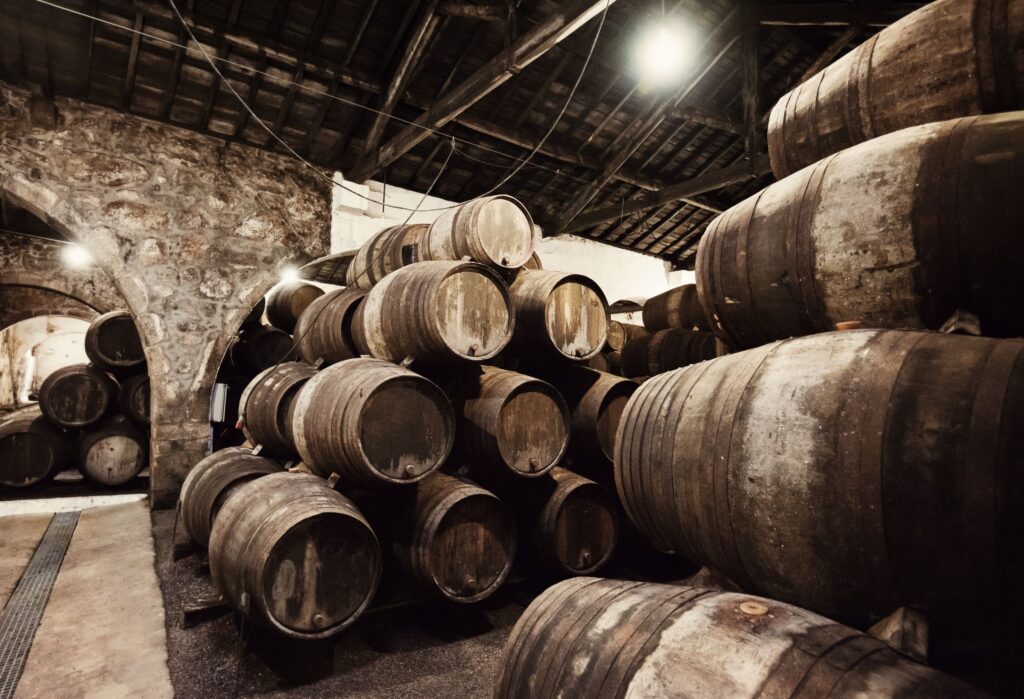
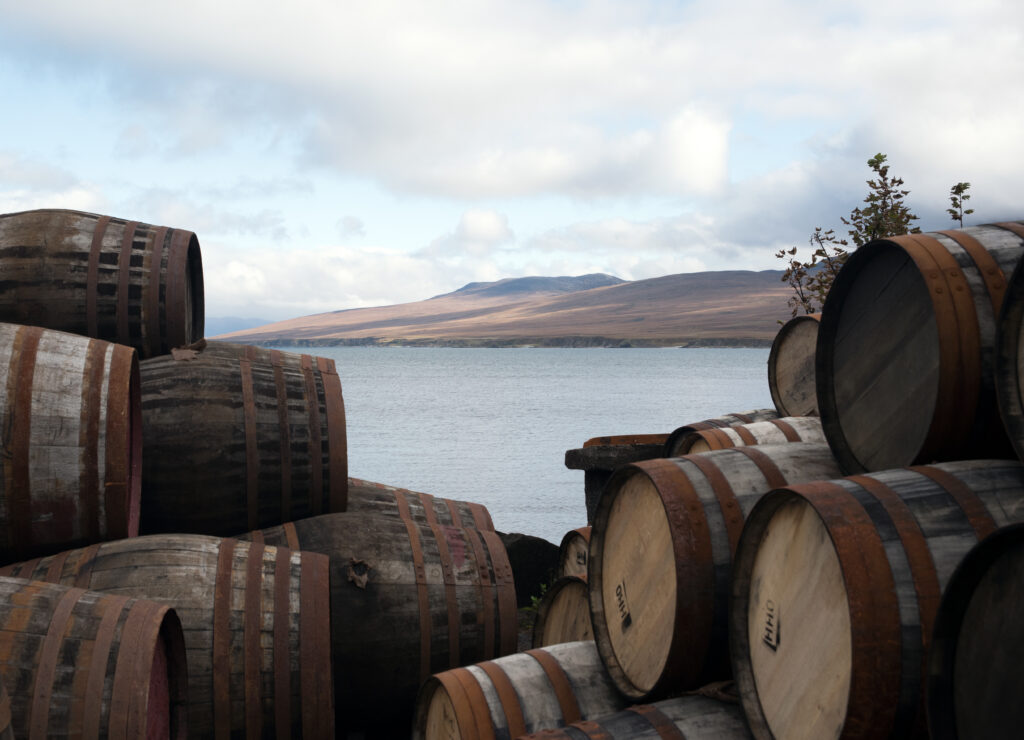
In addition, time is essential. By law, whisky in Scotland must mature in oak casks for at least three years. However, many are aged far longer, developing deeper and more complex characteristics.
Together, these elements create a product that reflects both craftsmanship and place.
3. The Main Whisky Regions
Understanding regional differences is essential when exploring whisky in Scotland. Each area produces distinct styles.
Speyside
Speyside is home to the highest concentration of distilleries in Scotland. Whiskies here are often smooth, rich, and slightly sweet, with notes of fruit and honey.
Islay
Islay is famous for its bold and smoky whiskies. The use of peat during the malting process gives these whiskies their distinctive flavour, often described as intense and maritime.
Highlands
The Highlands offer the greatest variety. Whisky in Scotland from this region can range from light and floral to rich and full-bodied, depending on location.
Lowlands
Lowland whiskies are typically lighter and more delicate. They are often seen as approachable, making them a good introduction for new whisky drinkers.
Campbeltown
Once a major whisky-producing area, Campbeltown now has fewer distilleries. However, it is known for complex whiskies with unique character.
4. How Whisky is Made
The process behind whisky in Scotland is both simple and precise.
It begins with malting, where barley is soaked and allowed to germinate. The grain is then dried, sometimes using peat smoke. Next comes mashing, where the barley is mixed with hot water to extract sugars.
Fermentation follows, turning sugars into alcohol. The liquid is then distilled, usually twice, to increase strength and refine flavour.
Finally, the whisky is aged in oak casks. During this time, it develops colour and complexity. The longer it matures, the more its character evolves.
5. Notable Distilleries to Visit
Exploring individual distilleries adds depth to your understanding of whisky in Scotland. Each one reflects its region, history, and approach to production.
Glenfiddich Distillery
Located in Speyside, Glenfiddich is one of the most recognised names in Scottish whisky. It remains family-owned and has played a key role in popularising single malt whisky worldwide.
Visitors can explore traditional production methods while learning how consistency and innovation work together. The whisky is known for its smooth character, often featuring notes of pear and subtle oak.
Macallan Distillery
The Macallan is synonymous with luxury and craftsmanship. Its modern distillery building blends into the surrounding landscape, reflecting a strong connection to place.
Macallan whiskies are matured in carefully selected oak casks, which give them rich colour and depth. Flavours often include dried fruit, spice, and chocolate, creating a refined and complex profile.
Laphroaig Distillery
Laphroaig Distillery
On the island of Islay, Laphroaig produces one of the most distinctive whiskies in Scotland. Its bold, peaty character divides opinion but leaves a lasting impression.
Tours often include a walk through the peat fields and maltings. As a result, visitors gain a deeper understanding of how smoke shapes flavour. Notes of seaweed, iodine, and earth define its style.
Lagavulin Distillery
Lagavulin is another iconic Islay distillery, known for producing rich and smoky whiskies with remarkable balance. Its slower distillation process contributes to a deeper, fuller flavour.
The whisky typically offers layers of peat smoke, dried fruit, and maritime influence. Consequently, it appeals to those seeking complexity without overwhelming intensity.
Talisker Distillery
Talisker is the only distillery on the Isle of Skye, and its coastal location strongly influences its character. The whisky often carries a signature peppery spice alongside maritime notes.
Visitors experience dramatic surroundings as well as distinctive production techniques. Therefore, Talisker stands out as a true expression of island whisky.
Oban Distillery
Situated in the coastal town of Oban, this distillery bridges Highland and island styles. Its small scale allows for a more intimate visitor experience.
Oban whisky balances sweetness with a hint of sea salt and gentle smoke. As a result, it offers a well-rounded introduction to coastal Highland flavours.
Auchentoshan Distillery
Auchentoshan is known for its triple distillation process, which creates a lighter and smoother spirit. This approach sets it apart from most Scottish distilleries.
Flavours are often delicate, with notes of citrus and vanilla. Therefore, it is an excellent starting point for those new to whisky.
Springbank Distillery
Springbank represents one of the last traditional distilleries in Campbeltown. Much of the production process is carried out on site, maintaining a strong sense of heritage.
The whisky is complex and slightly maritime, often combining peat, fruit, and salt. Consequently, it reflects the character of this historic whisky region.
6. Ways to Travel Around Scotland for Whisky Experiences
Planning your journey is an important part of exploring whisky in Scotland.
There are several ways to travel around Scotland, depending on your preferences. Driving is one of the most popular options, as it provides flexibility and access to rural distilleries.
Guided whisky tours are another excellent choice. These remove the need to plan routes and allow you to fully enjoy tastings without concern.
Public transport connects major towns and cities, although reaching remote distilleries may require additional planning.
Choosing the right travel method ensures a smoother and more enjoyable whisky journey.
Wanting to experience the very best of Scotland’s Whisky? Click here to find out more: Scottish Whisky Tour – Spirit of Scottish Whisky
7. Whisky and Scottish Culture
Whisky in Scotland is deeply connected to culture and identity.
It plays a role in celebrations, storytelling, and social gatherings. Sharing a dram is often seen as a gesture of hospitality and connection.
In many communities, whisky production is also a source of pride. Distilleries support local economies and preserve traditional skills.
Understanding this cultural connection adds meaning to every tasting experience.
8. What to Expect When Tasting Whisky
Tasting whisky in Scotland is about more than flavour.
It involves observing colour, aroma, and texture. Each step reveals something about the whisky’s origin and production.
Beginners are often encouraged to take their time. Adding a small amount of water can open up flavours and make the experience more approachable.
With practice, tasting becomes more intuitive. Each dram tells a story shaped by land, process, and time.
9. A Whisky Experience Like No Other
Whisky in Scotland offers something truly unique.
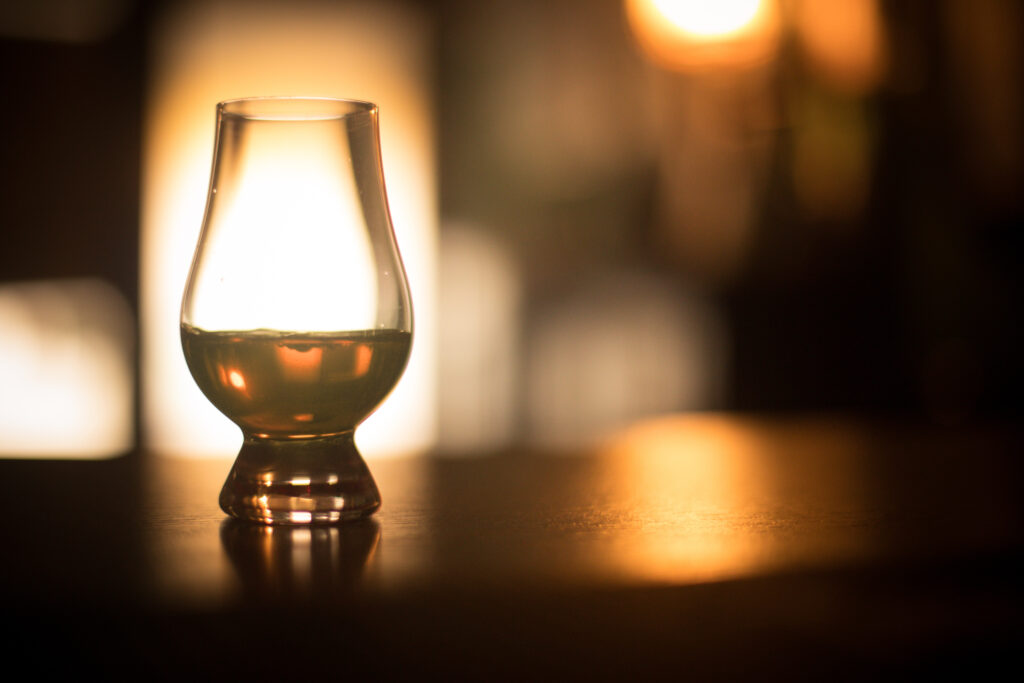
It combines history, craftsmanship, and environment in a way that few other products can match. Whether you are visiting distilleries or enjoying a quiet dram, the experience feels authentic and memorable.
Every region, every cask, and every producer contributes to a wider story. Exploring that story is what makes whisky in Scotland so rewarding.
A Taste of Scotland
Whisky in Scotland is not just about drinking. It is about understanding.
It reflects the land, the people, and the traditions that have shaped it over centuries. From the first sip to the last, it offers a connection to something deeper.
For travellers and enthusiasts alike, whisky in Scotland remains one of the most meaningful ways to experience the country.